

Why Resort Marketing Needs a Smarter Approach Today
The hospitality world has changed a lot. Today, travellers don’t just book a room, they look for an experience, a feeling and a brand they can really connect with. They want stays that tell a story, spaces that fit their lifestyle and resorts that understand what they’re looking for. And this is exactly where many resorts face a challenge: how to stand out, show their true essence online and reach the right audience at the right time.
That’s where we at Blueletter Marketing come in. We’re a digital marketing agency that focuses on performance, branding, web development, content creation and paid advertising. Our goal is to help hospitality brands get noticed, build trust and generate real bookings. One of our proudest success stories is The Sylvan Retreat; a stunning nature resort surrounded by greenery that wasn’t getting the digital attention it deserved.
When The Sylvan Retreat came to us, they had everything a guest could want: beautiful surroundings, memorable experiences and warm hospitality. But their online presence wasn’t telling that story. Their brand had so much potential and their digital platforms just needed the right strategy to reach and convert the right audience.
That’s where we stepped in.
In this Sylvan Retreat resort case study, we’ll show you how we transformed their online presence. Through a mix of resort branding and advertising, website updates, content revamp and targeted retargeting ads for hospitality brands, we helped the resort increase visibility, bookings and long-term recognition.
Here’s what happened:
- Calls went from 2–3 per Day to an average of 7–8 per day.
- Monthly bookings jumped from 4 nights to 40 nights, with peak months reaching 80 nights.
- Overall ROI increased to an impressive 15x.
This isn’t just a success story, it’s a roadmap for how modern resorts can connect with experience-driven travellers, stand out online and turn their story into real bookings.
10 Steps to Promote Your Resort Like a Pro Digital Marketer
1. START WITH A CLEAR UNDERSTANDING OF THE BRAND
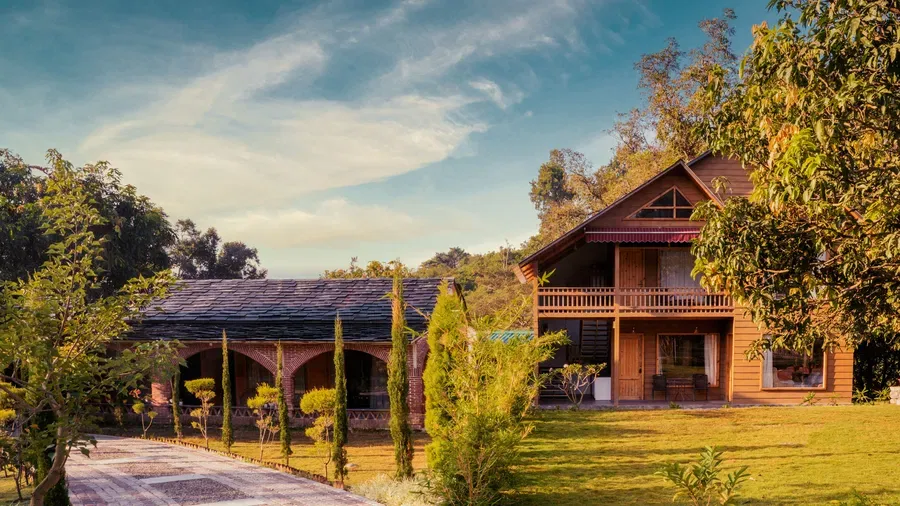
Before we even thought about running ads or redesigning campaigns, the first thing we did was get to really know The Sylvan Retreat. In resort marketing, understanding the property; its personality and what makes it unique; is absolutely crucial. If you don’t get that, any marketing effort can feel off or generic.
To understand The Sylvan Retreat, we asked a few key questions:
- What makes this resort truly special?
- What do guests love the most about staying here?
- Where is there a disconnect between the experience the resort offers and what people see online?
From this, we realized that The Sylvan Retreat had everything to offer: luxury, nature, curated experiences and a welcoming atmosphere. But online, none of this was coming through and the overall brand identity wasn’t consistent; there was no clear story for guests to connect with.
This step wasn’t about pointing out what was wrong. It was about discovering the resort’s true essence. Once we really understood all this, it became the foundation for everything else. From designing campaigns to writing content and creating visuals, every decision was guided by this insight. In simple terms, before we could show the world how amazing the property is, we first had to feel it ourselves and then share that feeling online.
2. IDENTIFY THE REAL CHALLENGES BEFORE FIXING THEM
When we first started working with The Sylvan Retreat, it was clear there were a few things holding the resort back from reaching its full potential.
Here’s what we noticed:
New customers were hard to come by. Even with an amazing location and a memorable guest experience, very few people were finding the resort online. Calls were stuck at just 2–3 per day. That meant many potential guests were never even getting in touch.
- Bookings were minimal, barely 4 nights per month. The resort had plenty of space to host more guests but the online presence wasn’t helping turn interest into actual reservations.
- Visibility on search platforms was weak. People looking for a getaway were often unlikely to stumble upon The Sylvan Retreat.
- Brand recall was low. Even guests who had stayed before weren’t thinking about returning or recommending the resort.
- No seasonal campaigns were running. This meant missed opportunities around holidays, weekends or special events.
- Creative content wasn’t connecting emotionally. The visuals and messages didn’t fully capture the resort’s beauty, the cozy vibe or the overall guest experience.
- Ads were inefficient. Budgets were being spent without reaching the right people who were most likely to book.
The resort didn’t need just “more ads.” It needed smarter, more strategic marketing that could get to the heart of these challenges. By taking a step back, looking at the numbers and understanding the real gaps, we were able to build a clear, focused plan to improve visibility, engagement and bookings. This was the first step toward transforming the resort’s digital presence into something that truly reflects the resort’s charm and draws in guests.
3. FIX THE FOUNDATION: KEYWORD OPTIMIZATION & SEARCH TRENDS
One of the biggest shifts for The Sylvan Retreat came from something people often overlook: the keyword strategy. It sounds technical but getting this right changed everything. Before, the resort’s ads showed up for the wrong searches, drew the wrong people and spent money without bringing real guests.
So we went back to basics and rebuilt the whole thing. We didn’t just tweak a few words; we rethought the approach.
Here’s what we changed:
- Target keywords – We moved away from vague, generic terms and focused on phrases real travellers actually use.
- Ad categories – Campaigns were reorganised into clear themes: nature stays, weekend getaways, boutique escapes, family trips.
- Negative keywords – We filtered out the searches that were wasting budget, so ads only showed to people likely to book.
- Search intent mapping – Instead of guessing, we used data to see whether someone was just browsing, comparing options or ready to book.
- Seasonal tweaks with Google Trends – People search differently across seasons, so we matched keywords to summer escapes, winter stays, monsoon trips and long-weekend demand.
This is where good luxury resort marketing makes a real difference: keywords must match how people actually think and search; not what we assume.
To do this properly we looked at:
- Where people were searching from; which cities and regions showed growing interest.
- The exact phrases they typed when hunting for peaceful getaways or boutique resorts.
- How interest changed with the seasons; when mountain views or cozy winter stays were trending.
Once we understood the traveller’s mindset, our campaigns got much sharper.
The result: ads stopped shouting into the void. Instead, the resort started appearing to the right people, at the right time, with the right message. It wasn’t just a keyword update, it was the moment the resort’s online presence finally matched what real guests were looking for.
4. USE DIVERSE CREATIVES (UGC, SEASONAL THEMES & PERSONALITY-DRIVEN CONTENT)
Travelers today don’t fall for overly staged ads. Slick, filtered photos and scripted videos feel fake. People want real moments they can imagine themselves being part of.
They trust things like:
- short clips or photos from actual guests (UGC)
- honest guest reviews
- simple walk-throughs of the property
- casual conversations that show the vibe
- little candid moments that feel warm and human
So we stopped relying only on polished content and started testing everything that felt real.
We tried:
- mobile-shot videos that look natural and unedited
- short walking tours that put you in the space
- drone shots to show the landscape and layout
- seasonal lookbooks for winter, monsoon, and summer moods
- story-style posts that focus on feelings, not features
- real guests talking about their favourite spots
- gentle, warm storytelling that matches the resort’s personality
- day-in-the-life videos showing how guests actually spend their time
That change made a big difference. The resort started to feel alive online. People began to trust what they saw, because the content matched the real experience at the property.
Showing honest moments instead of staged perfection helped build emotional connection. That’s what makes someone pause, picture themselves there and eventually book. This shift was a major part of improving The Sylvan Retreat’s branding and advertising.
5. SEASONAL CAMPAIGNS THAT ACTUALLY MATCH HOW PEOPLE TRAVEL
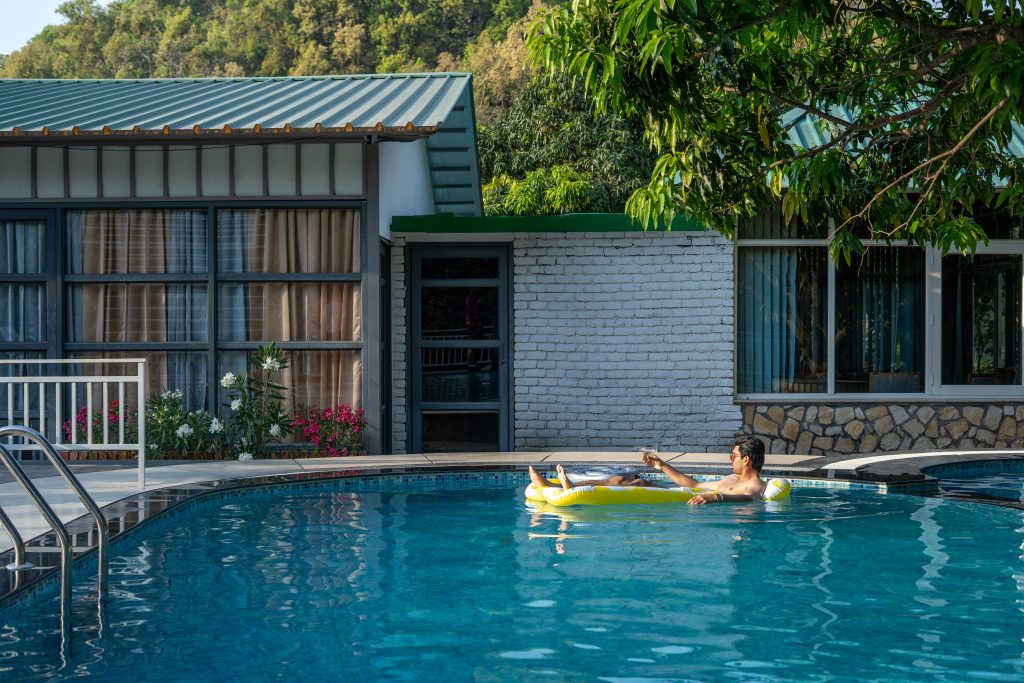
We stopped running the same tired ads all year. People don’t plan to travel the same way in January as they do in June, so why should your ads stay the same?
Instead of one-size-fits-all, we built campaigns for each season and travel mood:
- Winter retreats – misty mornings, cosy rooms, fireside evenings.
- Monsoon escapes – green views, fresh air, calm walks in the rain.
- Summer family getaways – open lawns, nature trails, kid-friendly activities.
- Festive weekends – holiday meals, family time, special menus and events.
- Valentine’s packages – privacy, romantic experiences, thoughtful touches.
- Big-holiday bursts (Holi, Diwali, New Year) – long-weekend offers and celebration themes.
And we didn’t just swap stock photos. Every season got its own creative language:
- Visuals that match the season’s colours and mood.
- Content that speaks to what people want right then.
- CTAs tuned to the moment; “book a cosy weekend” vs “reserve your summer family slot.”
- Offers that actually give people a reason to plan (early-bird, family bundle, couples’ spa).
- Targeting that fits who travels when; couples, families, last-minute planners.
The result? The resort felt relevant all year. People didn’t just see ads, they saw clear, timely reasons to visit. That steady seasonal storytelling became one of the strongest levers in the The Sylvan Retreat case study.
6. GEO-FENCING & AUDIENCE LOCATION IDENTIFICATION
One of the smartest moves we made was geo-fencing; not just targeting whole cities but pinpointing the tiny neighbourhoods and pockets where people actually book stays.
We dug into booking patterns and mapped out the places that mattered most:
- Cities that show strong interest in Uttarakhand travel
- Neighbourhoods where people spend more on weekend trips
- High-income areas that prefer boutique or luxury stays
- Regions where people tend to take spontaneous weekend getaways
We didn’t stop at a mid-way. We ran small pilot campaigns to test each location and watched how people behaved:
- How they engaged with the ad
- How long they stayed on the landing page
- Whether they started an enquiry or booking flow
- Whether they showed real booking intent
Pretty quickly, clear winners showed up. A few locations delivered much better engagement and actual enquiries. Once we knew which pockets worked, we scaled the campaigns there.
The result was immediate and measurable: enquiry calls went from about 2–3 a day to 7–8 a day; just by showing ads to the right people in the right places.
That’s what smart hospitality marketing looks like: not throwing money at broad audiences but using data and testing to put your message where it will actually drive bookings.
7. BUILD CONSISTENT SOCIAL MEDIA VISIBILITY (THE SOUL OF RESORT BRANDING AND ADVERTISING)
A resort can’t survive on ads alone. People need to feel the place before they book. They want to imagine the warmth, the views and the little moments, long before they call.
So we built a simple content routine to make The Sylvan Retreat feel alive every day.
We posted things people actually want to see:
- Short regular posts so the resort stayed in people’s feeds.
- Stories showing small, real moments; not staged photos.
- Mood boards that captured the resort’s calm, nature-first vibe.
- Honest guest testimonials that sounded like real people talking.
- Quiet nature shots that showed the surroundings, not just the rooms.
- Room walk-throughs so viewers could picture themselves staying there.
- Behind-the-scenes clips that showed the team and the everyday care.
- Small staff highlights so guests felt a human connection.
- Festival and celebration posts that showed the joy of being there.
The goal was simple: make The Sylvan Retreat feel welcoming and real; every single day, not only when we ran an ad.
And it worked. People came back to watch the content. They spent more time on posts and stories. Familiarity grew. The resort became easier to remember and more trustworthy.
That’s how we built audience retention, repeat viewers and true brand recall; not by shouting louder but by showing the soul of the place.
8. BUILD STRONG RETARGETING ADS FOR HOSPITALITY BRANDS
Most people don’t book the first time they see a resort. They take their time; compare places, check dates, think about weather and budget. Often they come back weeks later to book.
So we built a gentle retargeting system for Sylvan Retreat. Not pushy ads; reminders for people who’d already shown interest.
We split audiences into smart groups, like:
- Visitors who looked at the website but didn’t enquire
- People who saved a post because it caught their eye
- Viewers who watched half or more of a video (clear interest)
- People who interacted with stories or reels
- Users who clicked an ad but didn’t follow through
- Lookalike audiences modeled on past guests; people who travel the same way
Each group saw ads that matched where they were in their decision. Soft reminders. Warm images. Clear, simple nudges; never hard sells.
That approach kept Sylvan Retreat top of mind for travellers who were almost ready to book. Over time, curiosity turned into enquiries, and browsers became guests.
Retargeting ended up being one of the most powerful parts of the strategy. The key lesson for any hospitality brand: sometimes people just need a friendly reminder, not a hard sell.
That’s the real power of smart retargeting done right.
9. ALIGN EVERY TOUCHPOINT: BRANDING, WEBSITE, PHOTOS, VIDEOS, MESSAGING
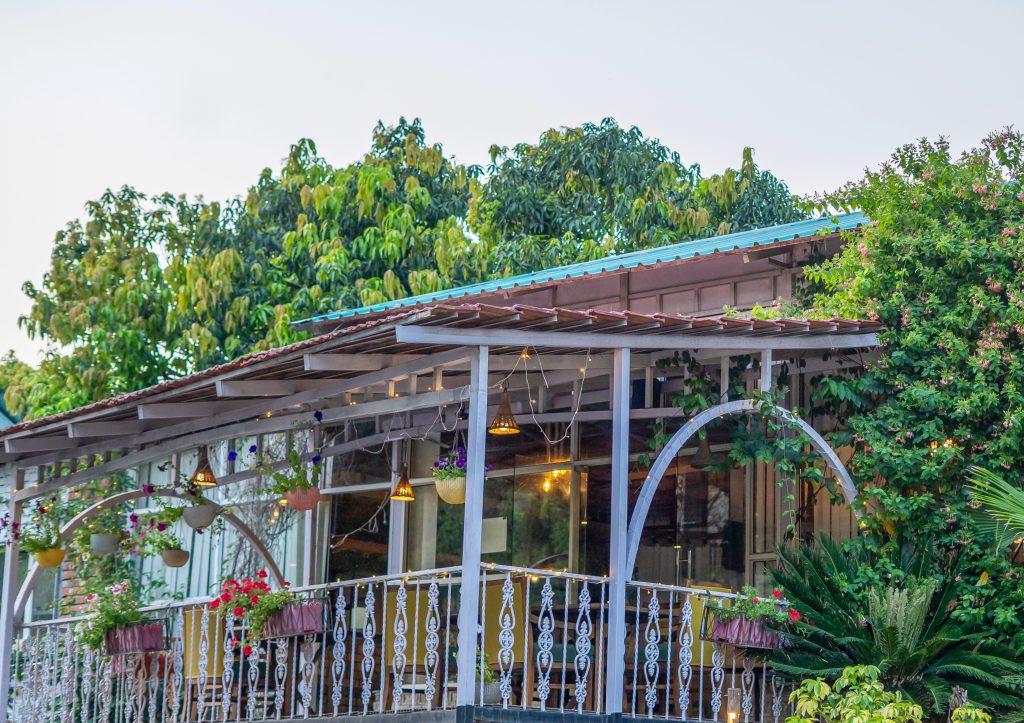
At Blueletter Marketing, we didn’t just focus on running ads. A resort isn’t just about promotions — it’s about how it makes people feel at every step. From scrolling Instagram to checking the website or reading reviews, every interaction should tell the same story and give the same feeling.
So we went through everything for Sylvan Retreat to make sure it all lined up:
- Tone of voice – Were the words warm, friendly, and consistent across posts, emails, and ads?
- Visual style – Did the colors, graphics, and layouts reflect the calm, boutique-luxury vibe of the resort?
- Brand mood – Did each piece of content capture the serenity, natural beauty, and peaceful luxury guests would experience?
- Website experience – Could people book easily, while still feeling the same personality they saw on social media?
- Photography style – Were images real, inviting, and reflective of the actual experience?
- Experience packaging – Did offers, stay packages, and promotions feel consistent and give a clear sense of what it’s like to stay there?
- Storytelling – Did posts, videos, and articles all share the same story of comfort, nature, and boutique charm?
- Reviews – Were guest testimonials authentic, but still aligned with the resort’s voice?
- Offer design – Did every deal, promotion, or campaign feel intentional and in tune with the resort’s personality?
The goal was simple: no matter where a guest encountered Sylvan Retreat — Instagram, Google, the website, WhatsApp, or an ad — they should feel the same warm, inviting vibe.
This consistency did more than make the brand look polished. It built trust. It showed potential guests that what they saw online matched the real experience. And in the end, it helped turn curiosity into bookings.
In short, making sure every touchpoint felt the same became a key part of our strategy. A brand that feels consistent everywhere is a brand people can believe in and rely on.
10. TRACK, LEARN, AND KEEP IMPROVING
None of our work would have made a difference if we hadn’t kept track of everything. In hospitality marketing, tiny adjustments can make a huge difference and you only see them if you watch closely.
We paid attention to things like:
- Which creatives actually worked; which posts, videos, or photos grabbed attention and felt real to people.
- Which keywords brought the right guests and which ones were just wasting money.
- Which months brought the most bookings so we knew when to push harder or hold back.
- Which cities converted best helping us focus on the places where guests were actually coming from.
- Which seasons needed extra effort whether summer, winter, or monsoon, we timed campaigns with real demand.
- Which campaigns drained money spotting wasted spend early let us redirect it where it mattered.
- Which audiences saved, shared, or engaged with content giving clues about who really cared and was likely to book.
Learn more : Hotels & Resort Branding Guide: From Concept to Customer Loyalty
For us, data wasn’t just numbers on a page, it was a guide. A map that showed where to focus, what to change, and how to make the guest experience feel seamless from the first click to the booking.
We used these insights to tweak every campaign, post, and keyword constantly. Nothing stayed the same. Every click, view, and booking gave us feedback to improve the next step.
The results? They were more than just good. Calls and bookings grew. The right people found the resort at the right time. And Sylvan Retreat’s online presence started to feel alive, inviting, and genuinely appealing.
The takeaway: tracking, learning, and improving isn’t optional. It’s what turns a good campaign into one that truly works and keeps guests coming back.
The Final Results
The change was massive and measurable:
Calls
- Before: 2–3 calls/day
- After: 7–8 calls/day
Bookings
- Before: 4 nights/month
- After: 40 nights/month, with peak months reaching 80 nights/month
ROI
- Achieved: 15x ROIs
It was the result of structured hospitality marketing services, smart resort branding and advertising, and strategic retargeting ads for hospitality brands, executed with creativity and consistency.
What You Can Learn From This Sylvan Retreat Resort Case Study
Here are key takeaways:
1. Branding must feel human and consistent. Travelers buy emotions more than amenities.
2. Seasonal campaigns matter more than you think. Hospitality demand changes every few months.
3. Geo-targeting is essential. Focus on audience pockets that actually convert.
4. Don’t underestimate UGC. Real stories sell faster than polished ads.
5. Retargeting is where real conversions happen. People rarely book on first click.
6. Ads must evolve every month. Hospitality marketing is never static.
7. A holistic approach beats random ads every time. Branding + performance + content = sustainable growth.
Why Blueletter Marketing Works: Beyond Typical Agencies
Most agencies run ads. We build brand ecosystems.
For resorts, this means:
- Strategic brand positioning
- Performance-driven ad campaigns
- Conversion-focused content
- High-quality photos & films
- Season-based campaign mapping
- Engaging UGC-style visuals
- Web experiences that convert
- Retargeting that pulls people back
The Sylvan Retreat is a perfect example of this holistic approach.
Conclusion: Promote Your Resort Like a Pro

If you want stronger bookings, higher visibility, and better ROIs, this Sylvan Retreat resort case study is your roadmap.
Using the right mix of:
- Resort branding and advertising
- Luxury resort marketing tips
- Hospitality marketing services
- Retargeting ads for hospitality brands
You can create a brand that doesn’t just get seen, it gets remembered and booked.